含硫纤维素衍生物的制备及性能研究

VIP免费
摘 要
含硫纤维素主要有巯基纤维素(SC)、纤维素磺原酸酯(CCX)和聚硫醚型纤
维素(PTCC)三种衍生物。这些含硫纤维素衍生物作为功能高分子材料,主要应
用于分析化学、环境科学与工程、化学化工、冶金等领域。本论文对这三种含硫
纤维素衍生物的制备、材料性能、吸附性能、解吸再生性能、吸附机理及其应用
进行了系统性研究。
SC 的制备方法:棉花先经过冰醋酸润胀,然后按 15g 棉花-100mL 巯基乙酸
-浓硫酸 1.0mL 的比例,在 40°C 条件下,反应 48 小时。制备的巯基纤维素色泽
洁白、机械强度较好,碘量法测定巯基含量在 1.70%左右。
CCX 的制备方法:将脱脂棉撕成小片,在常温下浸入 10%~20%的 NaOH 溶
液中制备碱纤维。10 分钟后取出碱纤维,将分拨好的碱纤维放入烧杯中,倒入 CS2
将其全部淹没,约十分钟,待棉纤维呈现浅黄色,立即将其取出,迅速用蒸馏水
洗至洗液呈中性。得到的纤维素磺原酸酯可以立即使用,也可以在 50°C~70°C 以
下烘干,备用。碘量法测定 CCX 中含硫量在 2.1%左右。
PTCC 的制备方法:将 5g 脱脂棉置于 250mL 三角瓶中,加入 17.5%的NaOH
溶液 25mL,搅匀,使脱脂棉完全湿润,并使脱脂棉反应 4小时,使纤维活化,然
后在棉花中加入环硫氯丙烷 15g,并且搅拌均匀。然后放入烘箱在 47℃下反应 20
小时再在 60℃下反应 4小时后取出。在试样中加入 40mL 95%乙醇,并在 60℃下
搅拌半小时。搅拌完毕后分别过滤,所得棉纤维用蒸馏水洗涤多次,然后用丙酮
抽提,再用蒸馏水洗涤至无氯离子,随后在 60℃烘干至恒重。烘干后 PTCC 重量
为:11.617g。按本方法制备聚硫醚纤维素工艺简单且含硫量高,氧瓶燃烧法测定
其含硫量在 21.3%左右。
对材料的稳定性和使用性能进行了考察。溶液酸度和温度对 SC、CCX 和PTCC
的水解影响很小,日常阳光照射和大气中的氧气对 SC、
CCX 和PTCC 的的影响也
甚微,总体性能来说稳定性 PTCC>SC>CCX。SC 和CCX 抗强氧化剂的能力较差,
因此巯基纤维素和纤维素磺原酸酯应避免与强氧化剂直接接触,否则将严重影响
其饱和吸附容量。PTCC 相对于 SC 和CCX 来说,抗强氧化剂、抗紫外光照射能
力明显高于 SC 和CCX,在 1% H2O2, 1% HNO3和0.5%的 KMnO4溶液中浸泡
80min,其相对含硫量仍旧很高,分别为 94%、96%和 91%,在 300 瓦的紫外灯
下照射 80min,含硫量下降幅度不大,且其饱和吸附容量变化不大,并不影响其实
际应用。
SC 对Hg2+、Cu2+、Pb2+、Cd2+和Zn2+均具有较好的吸附性能,其吸附饱和容
量分别为:58、17、55、29、10(mg/g)。CCX 对Hg2+、Cu2+、Pb2+、Cd2+和Zn2+
的饱和吸附容量要高一些分别为:82、26、77、49、24(mg/g)。PTCC 对Hg2+ 、
Ag+、维多利亚艳兰 BO、阳离子红 X-GRL、氯化十六烷基吡啶的饱和吸附容
量非常高,分别为: 161、256、98、70、219(mg /g)。用 2mol/L 盐酸溶液对已饱
和的 SC 进行洗脱再生试验。Pb2+、Cd2+、Cu2+、等重金属离子都能被洗脱液完全
洗脱(汞的洗脱需要 NaCl 饱和的 5mol/L 盐酸),且洗脱率高达 98%以上。NaCl
饱和的 1:1浓盐酸对 CCX 进行洗脱再生试验,Cd2+、Cu2+、Zn2+等重金属离子能
被完全被洗脱,洗脱率高达 95%以上,但对于与 CCX 结合力较大的 Pb2+、Hg2+
等离子,则较难洗脱。用 12%的氨水溶液对吸附饱和的 PTCC 进行洗脱,洗脱效
果良好,重复 5次后的 PTCC 仍具有较高的吸附容量,且其饱和吸附量趋向于稳
定。
研究了PTCC的吸附平衡和吸附动力学。实验结果表明氯化十六烷基吡啶的吸
附等温数据符合Langmuir吸附等温式,其相关系数R2为0.9491, 而对于Freundlich
吸附等温式,其相关系数R2为0.8574,小于L方程的相关系数,说明PTCC对此类污
染物的吸附更符合Langmuir方程,该吸附体系兼有化学吸附和物理吸附。研究了
PTCC对维多利亚艳兰 BO、阳离子红X-GRL和氯化十六烷基吡啶的吸附动力学。
在室温下,维多利亚艳兰 BO、阳离子红X-GRL和氯化十六烷基吡啶的一级吸附
相关系数R2分别为0.9716、0.9870、0.9916,二级吸附相关系数R2为0.9988、0.9995、
0.9971,从实验所得数据看,三种污染物的吸附速率数据当用Lagergren一级动力学
方程拟合时,R2值显示其存在较好的相关性,但其R2值均小于用二级动力学吸附的
相关系数,因此,维多利亚艳兰 BO、阳离子红X-GRL和氯化十六烷基吡啶在PTCC
上的吸附行为遵循二级动力学模型。
研究了 SC、CCX 和PTCC 用于处理重金属工业废水的工艺流程及工艺条件等。
工艺路线为:前期使用化学沉淀法,去除部分重金属离子;调节 pH6.0~8.0,然
后用 SC、
CCX 或PTCC 吸附柱对废水中重金属离子进行吸附。实验结果表明该工
艺具有去除率高、操作简单、投资成本低、管理方便等诸多优点。与其它传统工
艺相比,优势明显。研究表明,SC、CCX 和PTCC 对水溶液中的重金属离子具有
良好的吸附性能。
SC、CCX 和PTCC 不仅仅适用于环境分析检测领域,还适用于对重金属离子
的废水进行深度处理,应用前景广阔。随着对 SC、CCX 和PTCC 的进一步研究,
它们将在今后的环境检测、分析化学、化工、冶金、机械加工等行业的废水治理
发挥更为重要的作用。
关键词:巯基纤维素 纤维素磺原酸酯 聚硫醚型纤维素 制备 性能 吸
附 重金属 废水治理
ABSTRACT
Sulfur-containing cellulose derivatives include sulfhydryl cellulose (SC), cotton
cellulose xanthate (CCX) and polythioehter type cotton cellulose (PTCC), and as
functional polymer material, they are mainly used in the fields of analytical chemistry,
environmental science, metallurgy, and so on. In this paper, the preparation process,
properties, adsorption and regeneration properties, adsorption mechanisms and
application of them were systematically studied.
The preparation of SC: 15g Cotton was swelled in acetic acid solution, then 100ml
thioglycolic acid and 10ml concentrated sulfuric acid was added. The sulphydryl
cellulose in white color with fine mechanical strength was obtained after reacting 48
hours in the temperature of 40°C. And its sulfur content was 1.70% which was
determined by iodimetry.
The preparation of CCX: The alkali cellulose was made of adsorbent cotton by
soaking in sodium hydroxide (10%~20%) for 10 min. Then taken out and put into
Buchner funnel, it was filtrated in order to remove the redundant alkali solution. And
then the alkali cellulose was xanthated with carbon disulfide for almost 40 min. The
product was washed and dried at the temperature between 50°C and 70°C for spare use.
And its sulfur content was 2.1%determined by iodimetry.
The preparation of PTCC: Polythioehter type cotton cellulose (PTCC) with fine
properties was synthesized by etherification of cotton cellulose with
chloromethylthiirane (CMT). The results show that the concentration of sodium
hydroxide and the reactant ratio between cotton fiber and chloromethylthiirane will
affect the yield and sulfur containing of the product. The better polythioether type
cotton cellulose with high sulfur containing will be made when the concentration of
alkali is 20% and the molar ratio between the glucose unit of cellulose and
chloromethylthiirane is between 1:3.7 and 1:5. The preparation process is simple here
and this new kind of material can be used to adsorb mercury, silver, cationic dries and
cationic surfactants. And its sulfur content was 21.3 %determined by oxygen flask
combustion method.
The stabilities and properties of sulfur-containing cellulose derivatives were
studied. The acidity and temperature of solution had little effect on SC, CCX and PTCC,
while the light of sunshine and oxygen in air also affected little on them. According to
their total-property, PTCC is better than SC which is better than CCX. SC and CCX
have low resistance on strong oxidants, so in their application they should avoid
direct-contact on strong oxidants. But compared with SC and CCX, PTCC has much
better resistance on strong oxidants and direct ultraviolet irradiation. In the water
solution of 1% hydrogen peroxide, 1% nitric acid and 0.5% potassium permanganate for
80 min, the sulfur containing of PTCC was decreased a little with the drop of 6%, 4%
and 9% respectively. And under the direct irradiation of 300w ultraviolet lamp for 80
min, the sulfur content of PTCC has slight decrease and its saturated adsorption
capacity has a little drop which would not affect its application.
With fine adsorption capacities on Hg2+, Cu2+, Pb2+, Cd2+ and Zn2+, the saturated
adsorption capacities of SC on them is 35, 8, 30, 20, 10(mg/g) respectively. CCX has
greater adsorption capacities on Hg2+, Cu2+, Pb2+, Cd2+ and Zn2+, which is 82, 26, 77,
49, 24(mg/g) respectively. While PTCC has impressive adsorption capacities on Hg2+,
Ag+, Victoria pure blue BO, cationic red X-GRL and cetylpyridnium chloride, which
is 161, 256, 98, 70, 219(mg/g)respectively. Furthermore, the washed and regenerated
test of saturated SC was done with 2 mol/L hydrochloric acid solution. It revealed that
most heavy metal ions such as Pb2+, Cd2+, Cu2+, Hg2+ etc, can be removed from SC and
the removal ratio was up to 98%. And repeat this test on saturated CCX with 1:1
concentrated hydrochloric acid which was saturated by sodium chloride. It was proved
that most heavy metal ions such as Cd2+, Cu2+, Zn2+ etc, could be easily removed from
CCX, but some ions, for example Pb2+ and Hg2+, which were combined intensively
with CCX, were slight harder to be removed. And then the washed and regenerated test
of saturated PTCC was done with 12% ammonia solution with fine regenerated results.
Its adsorption capacities are still huge and tend to be stable after regenerating for 5
times.
The adsorption equilibrium and kinetic were studied. The results indicated that the
adsorption isotherm of cetylpyridnium chloride fited Langmuir equation with the
correlation coefficient of 0.9491 which is larger than that of Freundlich equation, 0.8574.
It proved that this adsorption isotherm fits L equation better, and this adsorption system
has both chemical and physical adsorption. Furthermore, the kinetic adsorptions of VPB
BO, Cationic Red X-GRL and cetylpyridium chloride on PTCC were also studied. The
correlation coefficient of their first-order lagergren equation was 0.9716, 0.9870, 0.9916
respectively, while their second-order correlation coefficient was 0.9988, 0.9995 and
0.9917 respectively. The experiments’ results showed that their coefficient R2had fine
correlation when described by first-order equation, which were less than R2of
second-order adsorption. Therefore ,the uptake process of VPB BO, Cationic Red
X-GRL and cetylpytidium chloride followed second-order kinetic model.
The process flow and conditions of treating wastewater containing heavy metal
ions by SC, CCX and PTCC were studied. In the former phase of this process, some of
heavy metal ions were removed by chemical precipitation. And then the pH value
adjusted between 6.0 and 8.0, SC, CCX or PTCC was used to adsorb remanent heavy
metal ions in wastewater. The results demonstrate that this process compared to
conventional process has many significant advantages, such as high removal ratio,
simple operation, low investment, easy management, etc. And the results show that SC,
CCX and PTCC have great adsorption properties on heavy metal ions in aqueous
solution.
SC, CCX and PTCC can not only be used in the field of environmental analysis
and testing, but also in the deep treatment of wastewater contaminated by heavy metal
ions. So they have wide application prospects. As the deeper studies on SC, CCX and
PTCC, they will play an more important role in the treatment of wastewater which
comes from the fields of environmental testing, analytical chemistry, chemical industry,
metallurgy, mechanical processing and so on.
Keywords: sulfhydryl cellulose, cotton cellulose xanthate, polythioether
type cotton cellulose, preparation, properties, adsorption, heavy metal
ions, wastewater treatment
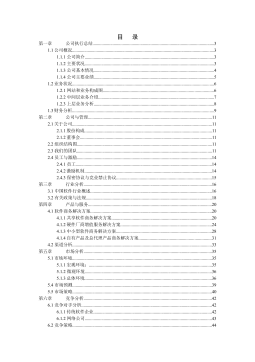
目录
中文摘要
ABSTRACT
第一章 绪论 ......................................................... 1
1.1 纤维素简介.........................................................................................................1
1.1.1 自然界中的纤维素..........................................................................................1
1.1.2 纤维素的化学结构..........................................................................................2
1.1.3 纤维素的结晶度和可及度...............................................................................2
1.1.4 纤维素的物理性质...........................................................................................3
1.1.5 纤维素的化学性质...........................................................................................3
1.2 废水处理的主要方法 ............................................................................................. 6
1.3 吸附剂的研究概况 ................................................................................................. 8
1.4 吸附的种类和影响吸附的因素 ............................................................................ 9
1.4.1 吸附机理及分类..............................................................................................9
1.4.2 影响吸附的因素............................................................................................10
1.5 含硫纤维素衍生物简介及国内外的研究现状 .................................................. 12
1.5.1 常见的含硫纤维衍生物.................................................................................12
1.5.2 含硫纤维素衍生物的应用及其特点............................................................14
1.6 本论文的指导思想和研究目的 ........................................................................15
1.7 本论文的主要研究内容 ....................................................................................17
第二章 实验部分 .................................................... 19
2.1 仪器与材料 .......................................................................................................... 19
2.1.1 主要实验仪器................................................................................................19
2.1.2 实验材料与试剂..........................................................................................19
2.2 实验方法 ............................................................................................................. 20
2.2.1 材料的制备..................................................................................................20
2.2.2 含硫纤维素衍生物材料的含硫量测定方法...............................................21
2.2.3 含硫纤维素衍生物饱和吸附容量的测定..................................................24
2.2.4 含硫纤维素衍生物的动态吸附穿透点的测定..........................................24
2.2.5 等温吸附线的测定......................................................................................25
2.2.6 红外光谱分析..............................................................................................26
第三章 实验结果与讨论 .............................................. 27
3.1 含硫纤维素衍生物的合成工艺研究 ..............................................................27
3.1.1 巯基纤维素(SC)的合成工艺研究............................................................27
3.1.2 纤维素磺原酸酯(CCX)的合成工艺研究......................................................28
3.1.3 聚硫醚型纤维素(PTCC)的合成工艺研究 ..............................................28
3.1.4 小结..............................................................................................................30
3.2 含硫纤维素衍生物在水溶液中的稳定性 ....................................................... 31
3.2.1 SC 在水溶液中的稳定性 ............................................................................31
3.2.2. CCX 在水溶液中的稳定性 .......................................................................... 33
3.2.3 PTCC 在水溶液中的稳定性 .......................................................................34
3.2.4 小结................................................................................................................35
3.3 含硫纤维素衍生物的抗破坏性实验 ................................................................. 36
3.3.1 强氧化剂对含硫纤维素衍生物的破坏作用................................................36
3.3.2 紫外光照射对含硫纤维素衍生物性能的影响............................................37
3.4 含硫纤维素衍生物的吸附性能 ......................................................................... 38
3.4.1 SC 对重金属的饱和吸附量............................................................................38
3.4.2 CCX 对重金属的饱和吸附量.........................................................................38
3.4.3 PTCC 的吸附性能...........................................................................................39
3.4.4 小结................................................................................................................42
3.5 吸附条件试验 ...................................................................................................... 42
3.5.1 SC 吸附条件实验...........................................................................................42
3.5.2 CCX 吸附条件试验 ....................................................................................... 44
3.5.3 PTCC 吸附条件试验.......................................................................................46
3.5.4 小结................................................................................................................48
3.6 动态穿透曲线的绘制及动态穿透点的确定 ...................................................... 48
3.6.1 SC 动态穿透曲线的绘制 ...............................................................................48
3.6.2 CCX 动态穿透曲线的绘制 ........................................................................... 48
3.6.3 PTCC 动态穿透曲线的绘制 ..........................................................................49
3.6.4 小结................................................................................................................50
3.7 吸附平衡和动力学 .............................................................................................. 50
3.7.1 吸附等温线....................................................................................................50
3.7.2 吸附动力学....................................................................................................52
3.8 含硫纤维素衍生物的循环利用性能 .................................................................. 55
3.8.1 SC 的再生及循环利用性能 ...........................................................................56
3.8.2 CCX 的再生及循环利用性能 ....................................................................... 57
3.8.3 PTCC 的再生及循环利用性能 ......................................................................57
3.8.4 小结................................................................................................................58
3.9 硫纤维素衍生物的吸附及洗脱机理 .................................................................. 58
3.9.1 SC 的吸附及洗脱机理 ...................................................................................58
3.9.2 CCX 的吸附及洗脱机理 ............................................................................... 59
3.9.3 PTCC 的吸附及洗脱机理...............................................................................62
3.10 常见共存离子的干扰试验 ................................................................................ 63
3.10.1 常见共存离子对 SC 吸附的干扰试验 .......................................................63
3.10.2 常见共存离子对 CCX 吸附的干扰试验 ................................................... 64
3.10.3 常见共存离子对 PTCC 吸附的干扰试验 ..................................................64
3.10.4 小结..............................................................................................................65
第四章 含硫纤维素衍生物吸附治理重金属废水工艺研究 .................. 67
4.1 含硫纤维素衍生物处理重金属废水工艺提出背景 .......................................... 67
4.1.1 重金属的危害.................................................................................................67
4.1.2 重金属废水的污染特性................................................................................69
4.1.3 工艺提出背景................................................................................................69
4.2 用含硫纤维素衍生物吸附柱治理重金属废水的工艺路线 .............................. 70
4.3 含硫纤维素衍生物吸附工艺说明 ...................................................................... 72
4.4 化学沉淀过程 ...................................................................................................... 74
4.5 工艺中应注意的问题 .......................................................................................... 75
4.6 含硫纤维素衍生物吸附法的特点 ...................................................................... 75
第五章 结论 ........................................................ 77
第六章 展望 ....................................................... 79
参考文献 ............................................................ 80
在读期间公开发表的论文和承担科研项目及取得成果 ...................... 87
致谢 ................................................................ 89
附录 (公开发表的论文及收录证明)

第一章 绪论
1
第一章 绪论
二十世纪八十年代以来,我国经济高速发展同时人类生存环境遭受了破坏,
科学技术工作者为控制污染和修复环境付出了艰苦的努力。环境中的微量芳香族
化合物(例芳胺、酚类),阳离子有机物及痕量重金属这些污染物毒性大、生物
难以降解,对这些污染物的治理是我国急需解决的难题(2005 年自然科学基金项
目指南)。且当今世界,由于石油、天然气资源的有限贮存量以及他们的生产对
人类生态环境的影响,促使以天然资源的高分子材料得以大力发展。纤维素及其
衍生物以其价廉、自然再生与生物降解而日益得到人们的重视。
纤维素是多羟基葡萄糖开放链型的聚合物[1],因其具有来源广泛、价格比较低
廉、比表面积大、良好的亲水性、多孔结构吸附和解吸速度较快而且可制成多种
形式的制品的等特点、广泛的应用于制备离子交换纤维与离子螯合纤维。
1.1 纤维素简介
1.1.1 自然界中的纤维素
纤维素是构成植物细胞的基本成分,它存在于所有的植物当中。包括从高等
植物如针叶树和阔叶树到海藻类等都含有纤维素[34](见表 1-1)。
表1-1 各种植物中的纤维素含量
植物物质
纤维素(%)
棉花
95~99
麻
80~90
竹
40~50
木
40~50
树皮
20~30
苔藓
25~30
在生物界中,结合于有机体中的碳达 27×1010 吨,在自然界有机体中构成纤
维素的碳约占 40%。据此估算,在植物界中纤维素的总量约达 26.0×10¹⁰ 吨,而且
自然界中的植物原料是年复一年地不断生长和更新的。因此可以说纤维素是自然
界中一种最丰富的可再生的有机资源。

含硫纤维素衍生物的制备及性能研究
2
1.1.2 纤维素的化学结构
纤维素是由β-葡萄糖缩合而成的天然高聚物,它是由葡萄糖单元通过β-1,4-
苷键连接而成的一个线性高分子聚合物。分子式是(C6H10O5)n,其基环分子量
C6H10O5=162,其中各元素组成为:C:44.0%,H:6.2%,O:49.4%。式中,n
是聚合度。其结构图如图 1-1 所示[45,48]。
图1-1 纤维素的结构示意图
纤维素中每个葡萄糖基环均具有 3个羟基,由结构图可看出这 3个羟基分别
位于葡萄糖基环的 2、3、6位,其中第六位 C6碳原子上的羟基为伯醇羟基,而 C2、
C3上的羟基为仲醇羟基。这些羟基的存在直接影响到纤维素的化学性质,如纤维
素的酯化、醚化、氧化、接枝共聚等反应,以及纤维素分子之间的氢键作用。纤
维素的润胀与溶解性能等等都和纤维素大分子上的羟基有关。
1.1.3 纤维素的结晶度和可及度
纤维素的结晶度是指纤维素构成的结晶区占纤维素整体的百分率,它反映纤
维素聚集时形成结晶的程度[2]:
测定纤维素结晶度最常用的方法有 X-射线法、红外光谱法、密度法等。纤维
素的结晶度大小,随纤维素的品种而异。
纤维素的可及度,即反应试剂抵达纤维素羟基的难易程度,是纤维素化学反
应的一个重要因素。利用某些足以能够进入纤维素材料的无定型区而不能进入结
晶区的化学试剂,测定这些试剂可以到达并起反应的部分占全体的百分率称为纤
维素物料的可及度。
可及度
A
和结晶度
的关系如下:
%100
区样品含量结晶区样品含量+非晶
结晶区样品含量
=结晶度
O
O
O
O
C
OH
HO OHO
OH
C
OHO
C
OH
O
6
32
β
H2OH
H2OH
H2OH
-1,4-苷 键

摘要:
展开>>
收起<<
摘要含硫纤维素主要有巯基纤维素(SC)、纤维素磺原酸酯(CCX)和聚硫醚型纤维素(PTCC)三种衍生物。这些含硫纤维素衍生物作为功能高分子材料,主要应用于分析化学、环境科学与工程、化学化工、冶金等领域。本论文对这三种含硫纤维素衍生物的制备、材料性能、吸附性能、解吸再生性能、吸附机理及其应用进行了系统性研究。SC的制备方法:棉花先经过冰醋酸润胀,然后按15g棉花-100mL巯基乙酸-浓硫酸1.0mL的比例,在40°C条件下,反应48小时。制备的巯基纤维素色泽洁白、机械强度较好,碘量法测定巯基含量在1.70%左右。CCX的制备方法:将脱脂棉撕成小片,在常温下浸入10%~20%的NaOH溶液中制备碱...
相关推荐

作者:牛悦
分类:高等教育资料
价格:15积分
属性:94 页
大小:2.93MB
格式:PDF
时间:2024-11-19