活性炭和AQDS提高厌氧产甲烷效率的实验研究

VIP免费
活性炭和 AQDS 提高厌氧产甲烷效率的实验研究
摘 要
在我国高浓度有机工业废水产量逐年增加以及能源日益短缺的背景下,环境
污染严重,采用厌氧产甲烷技术去除污水中的有机污染物,不仅能有效降低环境
负荷,还可以获得沼气且回收生物质能源,可同时满足社会和环境健康、可持续
发展的需求。高浓度有机废水易被降解,产甲烷潜力高,然而在厌氧消化过程中
中间产物挥发酸(VFAs)的产生和消耗不平衡,极易导致高浓度 VFAs 的积累,pH
值下降,抑制产甲烷菌的活性,系统稳定性变差,极大地抑制了甲烷转化的过程
因此解析甲烷转化过程中的限速因子,同时建立有效的解决方案是目前该领域的
研究热点问题。
在厌氧消化过程中,高分子有机物转化为甲烷是需要多种微生物相互协作的
复杂过程,在厌氧消化四阶段理论中,从热力学角度分析,脂肪酸厌氧氧化过程
在正常状态下是无法自发进行的(△G’>0),而产甲烷过程是能够自发进行的,因
此,以高浓度 VFAs 为底物的厌氧消化过程的限速步骤是 VFAs 厌氧氧化阶段。而
活性炭和氧化还原介体——蒽醌-2,6-双磺酸盐(AQDS)都具备促进种间直接电子传
递的潜力,但对复杂厌氧体系的具体促进机制尚不清晰,因此本研究将活性炭和
AQDS 加入厌氧产甲烷体系以考察其促进效果。
本文包含三部分试验:1) 活性炭添加量对挥发酸降解转化的影响;2) AQDS
对低浓度单一挥发酸降解转化的影响;3) 不同粒径活性炭对升流式厌氧污泥床
(UASB)处理高浓度啤酒废水的影响。前两部分试验共设有四个对比试验组,根据
添加的活性炭浓度分为:0g/L GAC 组、0.5 g/L GAC 组、5.0 g/L GAC 组、25.0 g/L
GAC 组;第三部分试验设有三组对照反应器,根据添加活性炭粒径的不同命名为 :
R0、R1、R2,分别是不加活性炭、加颗粒活性炭(10-20 目)、加粉末活性炭(80-100
目)。主要的研究结果如下。
(1) 首先在密闭厌氧瓶内,分别以 1.0 g/L 的单一挥发酸(乙酸、丙酸、丁酸)为
底物,对先后加入不同浓度的活性炭及氧化还原介体 (AQDS)对厌氧消化产甲烷
能力的影响进行分析。添加活性炭能有效促进各挥发酸的降解转化,且当活性炭
浓度为 5.0 g/L 时,对系统 VFAs 降解的促进效果最佳,活性炭的添加量并不是越
多越好。添加 AQDS 能进一步促进 VFAs 的降解转化,VFAs 被完全降解的时间缩
短,且随着 AQDS 浓度的增加,VFAs 的降解速度增加,且 5.0 g/L GAC 组的上清
液的降解率及产气量最大。VFAs 的厌氧降解转化符合一级动力学模型,由结果可
知,活性炭及 AQDS 提高了 VFAs 降解转化的反应动力学常数K值,且都遵循
K3>K2>K4>K1 的规律,0.5 g/L GAC 组、5.0 g/L GAC 组、25.0 g/L GAC 组的 K值
是空白组的 1.5~5 倍。各组在加入 AQDS 前后的△K值不同,说明当活性炭与
AQDS 两种介质同时存在时,它们对系统的作用不仅仅是单纯的叠加作用,二者
联合可以进一步促进共生菌体系的电子传递和底物的迁移转化。
(2)不同浓度活性炭(0-25 g/L GAC)对高浓度挥发酸(1.0-5.0 g/L)降解的影响,
依次以递增梯度(1.0-5.0g/L)的混合挥发酸(乙酸、丙酸、丁酸混合酸)及高浓度(5.0
g/L)单一挥发酸为底物,分析不同浓度活性炭对高浓度 VFAs 降解转化产甲烷过
程的影响。在以混合 VFAs 为底物时,降解速率满足乙酸>丁酸>丙酸,丙酸最难降
解转化。产甲烷及产气率遵循 5.0 g/LGAC 组>25 g/L GAC 组>0.5 g/LGAC 组>0 g/L
GAC 组。另外,随着混合 VFAs 的浓度由1.0g/L 增加至5.0g/L,底物基本降解完
全的时间依次减小,由9天减少到 5天;在以单一高浓度 VFAs 为底物时,对单
一高浓度挥发酸进行动力学分析,代入一级动力学模型求得 K值。在不同底物条
件下,由结果可知加入活性炭组都比空白组的 K值大。当底物分别为高浓度乙酸、
丙酸 时 , 各组K值 都 遵 循 K3>K4>K2>K1的规 律 。当底 物 为 高 浓 度 丁酸 时 ,
K4>K3>K2>K1,K4约为K1,K2的8倍。
(3) 在前述试验的基础上,利用自制实验室规模 UASB 反应器,探究不同粒
径活性炭对模拟高浓度啤酒废水的厌氧消化降解效果的影响,结果表明,活性炭
能增强UASB 反应器处理高浓度啤酒废水的能力,提高底物转化效率,生物气及
甲烷含量,与此同时,加入活性炭可以缩短UASB 反应器的启动时间;活性炭能
增强反应器内抗有机负荷冲击的能力;较小粒径的粉末活性炭对 UASB 反应器的
促进作用优于较大粒径的颗粒活性炭,粉末活性炭在将废水进行能源转化的途径
中具有较好的前景。对生物群落进行分子生物学分析,加入活性炭后,古菌比例
明显增加,主要分布在活性炭的的内部核心区,保证了添加有活性炭的反应器的
在面对水力和负荷冲击时仍可保持稳定的高处理效率;加有活性炭的反应器内的
嗜氢产甲烷菌比例明显高于空白组,且 R2 略高于R1,高比例嗜氢产甲烷菌极大
地促进了产甲烷过程。不同粒径活性炭对微生物种群的富集具有一定的选择性,
因此可以通过对此参数进行优化来改良厌氧生物反应器,从而提高系统的效率和
稳定性。
关键词:VFAs 活性炭 氧化还原介体 微生物种群 升流式厌氧反应器
啤酒废水
ABSTRACT
The production of high concentration industrial organic wastewater increased
every year, and the energy shortage was serious, leading to environmental pollution.
The use of anaerobic digstion techniques for removing organic pollutants in wastewater,
not only can effectively reduce the environmental load impact, achieve methane and
biomass energy recovery, but also meet the needs of social and environmental health,
sustainable development. High yield of methane can be obtained from wastewater with
high concentrations of biodegradable organics. However, during the anaerobic digestion
process, the generation and consumption of intermediate products-volatile acids (VFAs)
was imbalance, which easily lead to the accumulation of high concentrations of VFAs.
Consequently, pH value decrease leading to the inhibition on the activity of
methanogenic bacteria, and then a vicious circle leading to the significantly inhibited
methane production. Therefore, we aimed to resolve the rate-limiting factor of methane
conversion process, and then establish effective solutions.
During the anaerobic digestion process, the concersion of polymer organic matter
into methane is a complex process, which required various mutual cooperation among
microorganism in the four-stages anaerobic digestion. In thermodynamics, the anaerobic
oxidation of fatty acids can not be spontaneous (△G'>0) under the normal conditions,
and the process of generating methane was spontaneous, therefore, the anaerobic
oxidation of high concentration VFAs is the rate-limiting step. It reported that activated
carbon and redox mediator——2,6-anthraquinone disulphonate possessed the potential
for accelerating the efficiency of direct electron transfer between species, nevertheless
their effects on the mixed anaerobic digestion system was unclear. Thus, this study
investigated the stimulating influence of activated carbon and AQDS on the anaerobic
methanization system.
This work consists of three parts, 1) to explore the effect of activated carbon
concentration on the degradation of VFAs; 2) to explore the impact of degradation of
low concentrations VFAs by adding AQDS; 3) the effect of activated carbon with
different sizes in upflow anaerobic sludge blanket (UASB) reactors to treatment high
concentration brewery wastewater. The first two parts cmpared four comparative
groups, named 0 g/L GAC、0.5 g/L GAC, 5.0 g/L GAC, 25 g/L GAC respectively; the
third part of the test compared three sets of UASB reactors, named R0, R1, R2, which
was without activated carbon, and with granular activated carbon (10-20 mesh),
powdered activated carbon (80-100 mesh), respectively. The main results are as
follows:
(1) Firstly, in sealed glass bottle, 1.0 g/L of single volatile acids (acetic acid,
propionic acid, butyric acid) were used as single substrate, respectively. Activated
carbon can effectively promote the degradation of volatile acids, and 5.0 g/L activated
carbon concentration was superior to the other concentrations in accelerating the
degradation of VFAs. AQDS can further promote the degradation of VFAs, the
degradation rate and gas production of 5.0 g/L GAC group was the largest than other
groups. The degradation of VFAs was simulated by first order kinetic model, which
results suggested that the activated carbon and AQDS improved the kinetics constant K,
and followed K3> K2> K4> K1 , the K of 0.5 g/L GAC group, 5.0 g/L GAC group, 25
g/L GAC group is 1.5 to 5 times to blank group. △K of with and without AQDS was
different in each group, activated carbon and AQDS can extremely improve the
acceleration effect, there will be both together further accelerating electron transfer
promoting effect.
(2) AMPTS test (Automatic Methane Potential Test System), followed in ascending
gradient (1.0-5.0 g/L) of mixing volatile acids (acetic acid, propionic acid, butyric acid)
and high concentration (5.0 g/L) of single VFAs as substrate. To analyse the effect of
different concentrations of activated carbon on high concentration VFAs conversion.
First, mixed VFAs as substrate, the degradation rate of VFAs meet acetate acid > butyric
acid> propionic acid, propionic acid was difficult to degradation. Methane volume and
gas production rate followed 5.0 g/LGAC group> 25 g/L GAC group>0.5 g/LGAC
group>0 g/L GAC group. Further, as the concentration of mixed VFAs increased from
1.0 g/L to 5.0 g/L, the degradation time decreased from 9 days to 5 days. When high
concentration of single VFAs as substrate, the VFAs conversion efficiency with
activated carbon was higher than the control group, the degradation efficiency of 5.0
g/LGAC group was the highest. The dynamic analysis of single VFAs’ degradation was
carried according to the first-order kinetic model to obtain K values. Results showed
that the K of added activated carbon groups were more than the control group.
Specifically, when acetic acid and propionic acid were used as the substrate, the K
values were as follows: K3> K4> K2> K1 rule; whereas when butyric acid was used as
the substrate, the K values were as follows: K4> K3> K2> K1, K4 was about 8 times to
K1or K2.
(3) Based on the above experiments, laboratory-scale UASB reactor was used to
explore the effects of the degradation of high concentrations brewery wastewater with
different particle sizes of activated carbon. Results showed that activated carbon can
enhance the UASB reactor treating high concentration of brewery wastewater capacity,
improve substrate conversion efficiency, biogas and methane content, at the same time,
shorten the start-up time of UASB reactor. Activated carbon can enhance the ability to
resist the impact of organic loading in the reactor; activated carbon of the smaller
particle size, i.e. powdered activated carbon was superior to the granular activated
carbon. The results of molecular biological analysis of biological communities showed
that archaea was significantly increased by adding activated carbon, mainly residence to
the inner core region of activated carbon, which ensure the stability of reactor facing
hydraulic and load impact. Furthermore, hydrogenotrophic methanogens was
significantly higher in R1, R2 than the control group, and which proportion of R2 was
slightly higher than R1, which got great potetntial for promoting the production of
methane. Microbial species of R1, R2 , which tightly adsorbed to activated carbon have
the highest similarity. Activated carbon acts as a buffer to some extent to maintain the
balance and stability of the system.
Key Word: VFAs, activated carbon, redox mediator, microbial
populations, UASB reactor, brewery wastewater
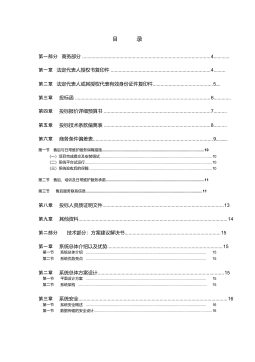
目录
摘 要
ABSTRACT
第一章 绪论......................................................................................................................1
1.1 选题背景.................................................................................................................1
1.2 厌氧消化技术的研究现状......................................................................................1
1.2.1 厌氧消化技术概况...........................................................................................1
1.2.2 厌氧消化基本原理...........................................................................................2
1.2.3 厌氧消化过程的菌群研究进展.......................................................................4
1.3 高浓度有机废水厌氧消化技术的限速因子分析..................................................5
1.3.1 高浓度有机废水处理方法简介.......................................................................5
1.3.2 厌氧产甲烷限速因子分析...............................................................................5
1.3.3 研究现状及期望...............................................................................................6
1.4 高效厌氧反应器的研究与应用.............................................................................9
1.5 研究主要内容.........................................................................................................9
1.5.1 立题依据和研究意义.......................................................................................9
1.5.2 研究技术路线.................................................................................................10
1.5.3 主要研究内容.................................................................................................12
第二章 材料与方法........................................................................................................13
2.1 实验材料及设备....................................................................................................13
2.1.1 活性炭.............................................................................................................13
2.1.2 接种污泥.........................................................................................................13
2.1.3 化学试剂.........................................................................................................14
2.1.4 微量元素.........................................................................................................14
2.2 仪器设备................................................................................................................14
2.3 实验内容方法.......................................................................................................15
2.3.1 活性炭添加量对 VFAs 降解转化效率的影响..............................................15
2.3.2 AQDS 对VFAs 降解转化效率的影响.........................................................17
2.3.3 活性炭粒径对 UASB 处理高浓啤酒废水效果研究...................................18
2.4 分析参数及方法....................................................................................................18
2.4.1 分析项目........................................................................................................18
2.4.2 分析方法........................................................................................................18
第三章 活性炭添加量对 VFAs 降解转化效率的影响.................................................21
3.1 前言........................................................................................................................21
3.2 试验装置及底液...................................................................................................21
3.3 厌氧动力学模型....................................................................................................22
3.4 试验内容...............................................................................................................23
3.5 活性炭添加量对单一低浓度挥发酸厌氧降解转化效率的影响.......................23
3.5.1 活性炭添加量对乙酸厌氧降解转化的影响.................................................23
3.5.2 活性炭添加量对丙酸厌氧降解转化的影响.................................................24
3.5.3 活性炭添加量对丁酸厌氧降解转化的影响.................................................25
3.6 活性炭添加量对混合挥发酸厌氧降解转化效率的影响....................................26
3.6.1 活性炭对 1.0g/L 混合 VFAs 厌氧降解转化的影响.....................................26
3.6.2 活性炭对 2.5g/L 混合 VFAs 厌氧降解转化的影响.....................................30
3.6.3 活性炭对 5.0g/L 混合 VFAs 厌氧降解转化的影响.....................................33
3.7 活性炭添加量对单一高浓度挥发酸厌氧降解转化效率的影响.......................36
3.8 活性炭添加量促进单一 VFAs 厌氧降解的反应动力学分析............................37
3.8.1 活性炭促进单一低浓度 VFAs 降解的反应动力学......................................37
3.8.2 活性炭促进单一高浓度 VFAs 降解的反应动力学......................................38
3.9 本章小结...............................................................................................................39
第四章 AQDS 对单一低浓度 VFAs 降解转化的影响.................................................41
4.1 前言........................................................................................................................41
4.2 试验底液...............................................................................................................41
4.3 结果与讨论...........................................................................................................41
4.3.1 AQDS 对乙酸厌氧降解转化效率的影响....................................................41
4.3.2 AQDS 对丙酸厌氧降解转化效率的影响....................................................43
4.3.3 AQDS 对丁酸厌氧降解转化效率的影响....................................................44
4.3.4 AQDS 促进 VFAs 降解的反应动力学.........................................................46
4.4 本章小结...............................................................................................................48
第五章 活性炭粒径对 UASB 处理高浓度啤酒废水效果研究....................................49
5.1 前言.......................................................................................................................49
5.2 试验装置................................................................................................................49
5.3 试验水质及负荷变化............................................................................................50
5.4 结果与分析...........................................................................................................51
5.4.1 生物气产量以及 pH 和TOC 随有机负荷改变的变化................................51
5.4.2 VFAs 随有机负荷的变化.............................................................................52
5.4.3 SEM 检测.......................................................................................................54
5.4.4 物群落的空间分布........................................................................................55
5.5 本章小结..............................................................................................................60
第六章 结论与建议........................................................................................................61
6.1 结论.......................................................................................................................61
6.2 建议.......................................................................................................................62
参考文献.........................................................................................................................63

摘要:
展开>>
收起<<
活性炭和AQDS提高厌氧产甲烷效率的实验研究摘要在我国高浓度有机工业废水产量逐年增加以及能源日益短缺的背景下,环境污染严重,采用厌氧产甲烷技术去除污水中的有机污染物,不仅能有效降低环境负荷,还可以获得沼气且回收生物质能源,可同时满足社会和环境健康、可持续发展的需求。高浓度有机废水易被降解,产甲烷潜力高,然而在厌氧消化过程中中间产物挥发酸(VFAs)的产生和消耗不平衡,极易导致高浓度VFAs的积累,pH值下降,抑制产甲烷菌的活性,系统稳定性变差,极大地抑制了甲烷转化的过程因此解析甲烷转化过程中的限速因子,同时建立有效的解决方案是目前该领域的研究热点问题。在厌氧消化过程中,高分子有机物转化为甲烷是...
相关推荐

作者:侯斌
分类:高等教育资料
价格:15积分
属性:70 页
大小:8.7MB
格式:DOC
时间:2024-11-19